Buy serviceservice.eu ?
We are moving the project
serviceservice.eu .
Are you interested in purchasing the domain
serviceservice.eu ?
domain@kv-gmbh.de · 0541-91531010
Buy serviceservice.eu ?
How can one repair a Roman pot?
Repairing a Roman pot involves using a conservation-grade adhesive to carefully piece together the broken fragments. It is important to clean the fragments thoroughly before applying the adhesive to ensure a strong bond. Additionally, using small clamps or rubber bands to hold the pieces together while the adhesive dries can help maintain the pot's shape. Finally, any gaps or missing pieces can be filled in with a reversible material to restore the pot's appearance. **
How can you repair a Roman clay pot?
To repair a Roman clay pot, you can use a technique called "kintsugi," which is the Japanese art of repairing broken pottery with lacquer mixed with powdered gold, silver, or platinum. This technique not only repairs the pot but also highlights the cracks and makes them a part of the pot's history and beauty. Alternatively, you can use a strong adhesive specifically designed for pottery and ceramics to carefully piece the broken parts back together. It's important to handle the pot with care and patience during the repair process to ensure that it is properly restored. **
Similar search terms for Roman
Top-Angebote
Products related to Roman:
-
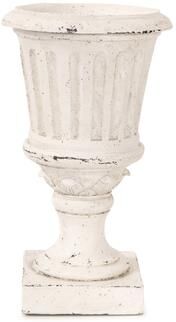
Allan Andrews Roman Classic UrnAdd classical charm to your decor with this distressed white architectural column urn. Perfect for bookshelves, consoles, or tabletop styling. The ancient ruin-inspired design brings a touch of old-world magic to any space.114,00 $*Shipping: 0,00 $Secure redirect to the provider
-
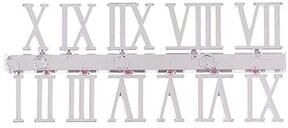
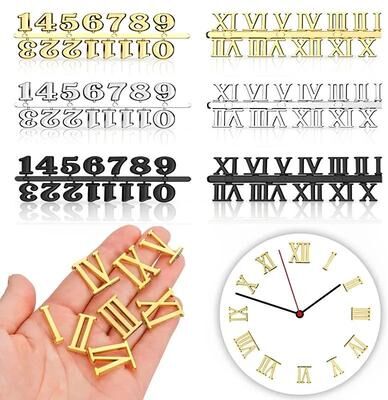
Uplift Treasures Roman Numeral Clock Repair Parts Set silver Roman NumeralsProduct Description Restore or customize your clock with this Roman numeral clock repair parts set. Designed for DIY projects and clock repairs, it includes classic numeral accessories compatible with quartz clock mechanisms. Ideal for refurbishing...24,97 $*Shipping: 0,00 $Secure redirect to the provider
-
Uplift Treasures Roman Numeral Clock Repair Parts Set black Roman NumeralsProduct Description Restore or customize your clock with this Roman numeral clock repair parts set. Designed for DIY projects and clock repairs, it includes classic numeral accessories compatible with quartz clock mechanisms. Ideal for refurbishing...23,97 $*Shipping: 0,00 $Secure redirect to the provider
-
Uplift Treasures Roman Numeral Clock Repair Parts Set silver Arabic NumeralsProduct Description Restore or customize your clock with this Roman numeral clock repair parts set. Designed for DIY projects and clock repairs, it includes classic numeral accessories compatible with quartz clock mechanisms. Ideal for refurbishing...24,97 $*Shipping: 0,00 $Secure redirect to the provider

-
What methods are suitable for cleaning old Roman coins?
Old Roman coins can be cleaned using a variety of methods, but it's important to proceed with caution to avoid damaging the coins. One method is to gently brush the coins with a soft toothbrush and mild soap to remove dirt and debris. Another method is to soak the coins in a solution of distilled water and a small amount of olive oil, then gently rub them with a soft cloth. It's important to avoid using harsh chemicals or abrasive materials, as these can cause irreversible damage to the coins. Additionally, consulting with a professional conservator or numismatist before attempting to clean old Roman coins is recommended to ensure the proper preservation of the coins. **
-
Holy Roman Emperor
The title of Holy Roman Emperor was a title given to the ruler of the Holy Roman Empire, a political entity in Central Europe that existed from 962 to 1806. The Holy Roman Emperor was considered the secular ruler of the Christian world, with authority over a vast territory that included parts of modern-day Germany, Italy, and France. The position was elected by a group of powerful princes and bishops known as the Electoral College. The title of Holy Roman Emperor was eventually abolished in 1806 following the defeat of the Empire by Napoleon Bonaparte. **
-
'Roman-German Emperors'
The Roman-German Emperors were a series of Holy Roman Emperors who ruled over the Holy Roman Empire from the Middle Ages to the early modern period. They were considered the successors to the ancient Roman Emperors and sought to establish their authority over the territories of the former Western Roman Empire. The title of Roman-German Emperor was meant to signify their dual role as rulers of both the Roman and Germanic peoples. The most famous Roman-German Emperor was Charlemagne, who was crowned Emperor of the Romans by Pope Leo III in 800 AD. The title continued to be used by subsequent Holy Roman Emperors until the dissolution of the Holy Roman Empire in 1806. **
-
"Roman-German Emperors"
The term "Roman-German Emperors" refers to the Holy Roman Emperors, who were rulers of a political entity in Central Europe that existed from 962 to 1806. The title of Holy Roman Emperor was created in the 10th century by Otto I, King of Germany, and it symbolized the revival of the Roman Empire in the West. The Holy Roman Emperors were considered the successors of the ancient Roman Emperors and were elected by a group of German princes. The empire was a complex political entity that encompassed parts of modern-day Germany, Italy, and other European territories. **

Roman-German Emperors
The term "Roman-German Emperors" refers to the Holy Roman Emperors, who were rulers of the Holy Roman Empire from the Middle Ages until its dissolution in 1806. The title of Holy Roman Emperor was created in the 10th century and was held by various monarchs who claimed to be the successors of the ancient Roman emperors. The Holy Roman Emperors were elected by a group of German princes and were considered the highest secular authority in the Holy Roman Empire, which was a complex political entity that encompassed parts of modern-day Germany, Italy, and other European countries. **
Roman-German emperors
The term "Roman-German emperors" refers to the Holy Roman Emperors, who were rulers of the Holy Roman Empire from the Middle Ages to the early 19th century. These emperors were considered the successors to the rulers of the ancient Roman Empire and were elected by a group of German princes. The Holy Roman Emperors held significant political and religious power in Central Europe, although their authority was often challenged by regional rulers and the papacy. The title of Holy Roman Emperor was officially abolished in 1806 following the dissolution of the Holy Roman Empire. **
Top-Angebote
Products related to Roman:
-
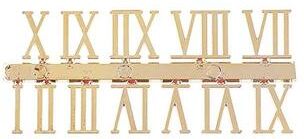
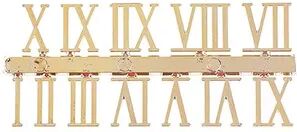
Uplift Treasures Roman Numeral Clock Repair Parts Set gold Roman NumeralsProduct Description Restore or customize your clock with this Roman numeral clock repair parts set. Designed for DIY projects and clock repairs, it includes classic numeral accessories compatible with quartz clock mechanisms. Ideal for refurbishing...23,97 $*Shipping: 0,00 $Secure redirect to the provider
-
Daily Discovery DIY Clock Numerals Wall Clock Replacement Parts Roman Numeral Clock Stickers For Quartz Clock Repair gold Roman NnumeralsRefresh your favorite wall clock with a stylish new look instead of replacing it. This DIY clock numerals set is an easy way to restore, customize, or create a unique timepiece for your home or office. Designed for DIY enthusiasts, crafters, and...34,97 $*Shipping: 0,00 $Secure redirect to the provider
-
Allan Andrews Roman Classic UrnAdd classical charm to your decor with this distressed white architectural column urn. Perfect for bookshelves, consoles, or tabletop styling. The ancient ruin-inspired design brings a touch of old-world magic to any space.114,00 $*Shipping: 0,00 $Secure redirect to the provider
-
Uplift Treasures Roman Numeral Clock Repair Parts Set silver Roman NumeralsProduct Description Restore or customize your clock with this Roman numeral clock repair parts set. Designed for DIY projects and clock repairs, it includes classic numeral accessories compatible with quartz clock mechanisms. Ideal for refurbishing...24,97 $*Shipping: 0,00 $Secure redirect to the provider
-
How can one repair a Roman pot?
Repairing a Roman pot involves using a conservation-grade adhesive to carefully piece together the broken fragments. It is important to clean the fragments thoroughly before applying the adhesive to ensure a strong bond. Additionally, using small clamps or rubber bands to hold the pieces together while the adhesive dries can help maintain the pot's shape. Finally, any gaps or missing pieces can be filled in with a reversible material to restore the pot's appearance. **
-
How can you repair a Roman clay pot?
To repair a Roman clay pot, you can use a technique called "kintsugi," which is the Japanese art of repairing broken pottery with lacquer mixed with powdered gold, silver, or platinum. This technique not only repairs the pot but also highlights the cracks and makes them a part of the pot's history and beauty. Alternatively, you can use a strong adhesive specifically designed for pottery and ceramics to carefully piece the broken parts back together. It's important to handle the pot with care and patience during the repair process to ensure that it is properly restored. **
-
What methods are suitable for cleaning old Roman coins?
Old Roman coins can be cleaned using a variety of methods, but it's important to proceed with caution to avoid damaging the coins. One method is to gently brush the coins with a soft toothbrush and mild soap to remove dirt and debris. Another method is to soak the coins in a solution of distilled water and a small amount of olive oil, then gently rub them with a soft cloth. It's important to avoid using harsh chemicals or abrasive materials, as these can cause irreversible damage to the coins. Additionally, consulting with a professional conservator or numismatist before attempting to clean old Roman coins is recommended to ensure the proper preservation of the coins. **
-
Holy Roman Emperor
The title of Holy Roman Emperor was a title given to the ruler of the Holy Roman Empire, a political entity in Central Europe that existed from 962 to 1806. The Holy Roman Emperor was considered the secular ruler of the Christian world, with authority over a vast territory that included parts of modern-day Germany, Italy, and France. The position was elected by a group of powerful princes and bishops known as the Electoral College. The title of Holy Roman Emperor was eventually abolished in 1806 following the defeat of the Empire by Napoleon Bonaparte. **
Similar search terms for Roman
-
Uplift Treasures Roman Numeral Clock Repair Parts Set black Roman NumeralsProduct Description Restore or customize your clock with this Roman numeral clock repair parts set. Designed for DIY projects and clock repairs, it includes classic numeral accessories compatible with quartz clock mechanisms. Ideal for refurbishing...23,97 $*Shipping: 0,00 $Secure redirect to the provider
-
Uplift Treasures Roman Numeral Clock Repair Parts Set silver Arabic NumeralsProduct Description Restore or customize your clock with this Roman numeral clock repair parts set. Designed for DIY projects and clock repairs, it includes classic numeral accessories compatible with quartz clock mechanisms. Ideal for refurbishing...24,97 $*Shipping: 0,00 $Secure redirect to the provider
-
Uplift Treasures Roman Numeral Clock Repair Parts Set black Arabic NumeralsProduct Description Restore or customize your clock with this Roman numeral clock repair parts set. Designed for DIY projects and clock repairs, it includes classic numeral accessories compatible with quartz clock mechanisms. Ideal for refurbishing...23,97 $*Shipping: 0,00 $Secure redirect to the provider
-
Uplift Treasures Roman Numeral Clock Repair Parts Set gold Arabic NumeralsProduct Description Restore or customize your clock with this Roman numeral clock repair parts set. Designed for DIY projects and clock repairs, it includes classic numeral accessories compatible with quartz clock mechanisms. Ideal for refurbishing...23,97 $*Shipping: 0,00 $Secure redirect to the provider
-
'Roman-German Emperors'
The Roman-German Emperors were a series of Holy Roman Emperors who ruled over the Holy Roman Empire from the Middle Ages to the early modern period. They were considered the successors to the ancient Roman Emperors and sought to establish their authority over the territories of the former Western Roman Empire. The title of Roman-German Emperor was meant to signify their dual role as rulers of both the Roman and Germanic peoples. The most famous Roman-German Emperor was Charlemagne, who was crowned Emperor of the Romans by Pope Leo III in 800 AD. The title continued to be used by subsequent Holy Roman Emperors until the dissolution of the Holy Roman Empire in 1806. **
-
"Roman-German Emperors"
The term "Roman-German Emperors" refers to the Holy Roman Emperors, who were rulers of a political entity in Central Europe that existed from 962 to 1806. The title of Holy Roman Emperor was created in the 10th century by Otto I, King of Germany, and it symbolized the revival of the Roman Empire in the West. The Holy Roman Emperors were considered the successors of the ancient Roman Emperors and were elected by a group of German princes. The empire was a complex political entity that encompassed parts of modern-day Germany, Italy, and other European territories. **
-
Roman-German Emperors
The term "Roman-German Emperors" refers to the Holy Roman Emperors, who were rulers of the Holy Roman Empire from the Middle Ages until its dissolution in 1806. The title of Holy Roman Emperor was created in the 10th century and was held by various monarchs who claimed to be the successors of the ancient Roman emperors. The Holy Roman Emperors were elected by a group of German princes and were considered the highest secular authority in the Holy Roman Empire, which was a complex political entity that encompassed parts of modern-day Germany, Italy, and other European countries. **
-
Roman-German emperors
The term "Roman-German emperors" refers to the Holy Roman Emperors, who were rulers of the Holy Roman Empire from the Middle Ages to the early 19th century. These emperors were considered the successors to the rulers of the ancient Roman Empire and were elected by a group of German princes. The Holy Roman Emperors held significant political and religious power in Central Europe, although their authority was often challenged by regional rulers and the papacy. The title of Holy Roman Emperor was officially abolished in 1806 following the dissolution of the Holy Roman Empire. **
* All prices are inclusive of VAT and, if applicable, plus shipping costs. The offer information is based on the details provided by the respective shop and is updated through automated processes. Real-time updates do not occur, so deviations can occur in individual cases. ** Note: Parts of this content were created by AI.