Buy serviceservice.eu ?
We are moving the project
serviceservice.eu .
Are you interested in purchasing the domain
serviceservice.eu ?
domain@kv-gmbh.de · 0541-91531010
Buy serviceservice.eu ?
What is psychotic schizophrenia?
Psychotic schizophrenia is a severe mental disorder characterized by a disconnection from reality, leading to hallucinations, delusions, and disorganized thinking. Individuals with psychotic schizophrenia may experience a break from reality, making it difficult for them to distinguish between what is real and what is not. Treatment typically involves a combination of antipsychotic medications, therapy, and support services to help manage symptoms and improve quality of life. Early intervention is crucial in managing psychotic schizophrenia and preventing further complications. **
Can lovesickness become psychotic?
Yes, lovesickness can potentially become psychotic in some cases. When an individual becomes obsessively fixated on a romantic interest to the point of losing touch with reality, experiencing delusions or hallucinations, or exhibiting erratic and irrational behavior, it may be considered a form of psychotic lovesickness. This extreme and unhealthy attachment to the object of affection can lead to significant distress and impairment in daily functioning, requiring professional intervention and treatment. It is important for individuals experiencing such symptoms to seek help from mental health professionals to address and manage their condition. **


Similar search terms for Psychotic
Top-Angebote
Products related to Psychotic:
-
Flythe Consulting Arika Wall Sconce Pair, Pair, Satin NickelThe Arika Wall Sconce Pair is an adaptation of old-fashioned light fixtures, with an appealing design that will complement modern decor. The lacquered solid brass sconces have 4.75 dia.x7 H clear glass hurricanes that will protect your standard...179,00 $*Shipping: 22,95 $Secure redirect to the provider
-
On Spot Shop Montessori Wooden Tool Box Set For Kids, Simulation Maintenance Screw Puzzle Pretend Play Repair Toys Educational Gift Montessori Wooden Tool Box Set For Kids, Simulation Maintenance Screw Puzzle Pretend Play Repair Toys Educational GiftInspire Creativity & Learning Through Play Give your child the perfect blend of fun and education with this Children's Wooden Toolbox Set Toys Simulation Maintenance Tool Repair Toys Montessori Screw Puzzle Kids Pretend Play Toys Gift. Designed to...39,97 $*Shipping: 0,00 $Secure redirect to the provider
-
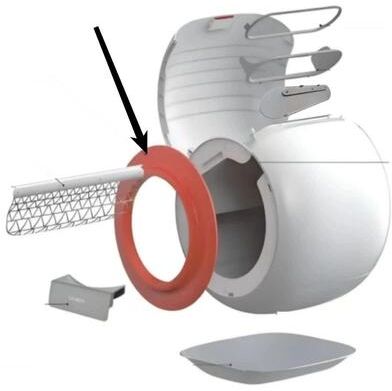
Uplift Essentials Smart Self Cleaning Litter Box Replacement Accessories & Maintenance Parts q clean oKeep your automated pet care system running at peak performance with our specialized automatic litter box accessories collection. Maintaining a clean and hygienic environment for your cat is essential, and these precision components are designed to...69,97 $*Shipping: 0,00 $Secure redirect to the provider



-
Does Mirtazapine exacerbate psychotic symptoms?
Mirtazapine is an antidepressant medication that is generally not known to exacerbate psychotic symptoms. In fact, it is sometimes used to help manage symptoms of depression and anxiety in individuals with psychotic disorders. However, as with any medication, individual responses can vary, so it is important for individuals with psychotic symptoms to closely monitor their symptoms and consult with their healthcare provider if they notice any changes while taking Mirtazapine. **
-
What is a psychotic reaction to trauma?
A psychotic reaction to trauma is a severe mental health response to a traumatic event, such as a natural disaster, physical assault, or witnessing violence. It can involve symptoms such as hallucinations, delusions, disorganized thinking, and difficulty distinguishing between what is real and what is not. This reaction can be a result of the overwhelming stress and emotional impact of the trauma, and it may require professional intervention and treatment to help the individual cope and recover. It is important for those experiencing psychotic reactions to trauma to seek help from mental health professionals to receive appropriate support and care. **
-
How can one become psychotic through extreme immersion?
Extreme immersion in a particular belief system, ideology, or fantasy world can lead to psychosis by distorting one's perception of reality. When someone becomes overly consumed by a certain idea or experience, they may lose touch with reality and struggle to differentiate between what is real and what is not. This can result in delusions, hallucinations, and other symptoms of psychosis. It is important to maintain a balanced perspective and seek help if one feels their immersion is negatively impacting their mental health. **
-
What is the difference between psychopathic and psychotic?
The main difference between psychopathic and psychotic is that psychopathy refers to a personality disorder characterized by a lack of empathy, guilt, and remorse, as well as manipulative and impulsive behavior. On the other hand, psychosis refers to a mental state in which an individual experiences a loss of contact with reality, often manifesting as hallucinations, delusions, and disorganized thinking. While psychopathy is a personality trait, psychosis is a symptom of mental illness such as schizophrenia or bipolar disorder. **


How long does post-psychotic depression typically last?
Post-psychotic depression can vary in duration for each individual. In general, it can last for several weeks to several months after the psychotic episode has resolved. However, some individuals may experience post-psychotic depression for a longer period of time, requiring ongoing treatment and support. It is important for individuals experiencing post-psychotic depression to seek help from mental health professionals to receive appropriate treatment and support. **
How can one become psychotic through extreme rumination?
Extreme rumination, or obsessive and repetitive thinking, can lead to psychosis through a process called thought disorder. When someone engages in constant and distressing rumination, it can disrupt their ability to think clearly and coherently. This can lead to disorganized thoughts, hallucinations, and delusions, which are characteristic symptoms of psychosis. Additionally, the intense focus on negative or distressing thoughts can exacerbate underlying mental health conditions, such as anxiety or depression, which can also contribute to the development of psychosis. Overall, extreme rumination can disrupt cognitive functioning and exacerbate mental health issues, potentially leading to psychosis. **
Top-Angebote
Products related to Psychotic:
-
Everyday Crate 16 In 1 Professional Watch Repair Kit Tool Set For Battery Replacement, Link Adjustment & Maintenance 16 In 1 Professional Watch Repair Kit Tool Set For Battery Replacement, Link Adjustment & MaintenanceKeep your favorite timepieces running smoothly without expensive service visits. This watch repair kit is a versatile 16in1 solution designed for watch enthusiasts, jewelers, repair professionals, and DIY users alike. Whether you're replacing...44,97 $*Shipping: 0,00 $Secure redirect to the provider
-
Flythe Consulting Arika Wall Sconce Pair, Pair, Satin NickelThe Arika Wall Sconce Pair is an adaptation of old-fashioned light fixtures, with an appealing design that will complement modern decor. The lacquered solid brass sconces have 4.75 dia.x7 H clear glass hurricanes that will protect your standard...179,00 $*Shipping: 22,95 $Secure redirect to the provider
-
What is psychotic schizophrenia?
Psychotic schizophrenia is a severe mental disorder characterized by a disconnection from reality, leading to hallucinations, delusions, and disorganized thinking. Individuals with psychotic schizophrenia may experience a break from reality, making it difficult for them to distinguish between what is real and what is not. Treatment typically involves a combination of antipsychotic medications, therapy, and support services to help manage symptoms and improve quality of life. Early intervention is crucial in managing psychotic schizophrenia and preventing further complications. **
-
Can lovesickness become psychotic?
Yes, lovesickness can potentially become psychotic in some cases. When an individual becomes obsessively fixated on a romantic interest to the point of losing touch with reality, experiencing delusions or hallucinations, or exhibiting erratic and irrational behavior, it may be considered a form of psychotic lovesickness. This extreme and unhealthy attachment to the object of affection can lead to significant distress and impairment in daily functioning, requiring professional intervention and treatment. It is important for individuals experiencing such symptoms to seek help from mental health professionals to address and manage their condition. **
-
Does Mirtazapine exacerbate psychotic symptoms?
Mirtazapine is an antidepressant medication that is generally not known to exacerbate psychotic symptoms. In fact, it is sometimes used to help manage symptoms of depression and anxiety in individuals with psychotic disorders. However, as with any medication, individual responses can vary, so it is important for individuals with psychotic symptoms to closely monitor their symptoms and consult with their healthcare provider if they notice any changes while taking Mirtazapine. **
-
What is a psychotic reaction to trauma?
A psychotic reaction to trauma is a severe mental health response to a traumatic event, such as a natural disaster, physical assault, or witnessing violence. It can involve symptoms such as hallucinations, delusions, disorganized thinking, and difficulty distinguishing between what is real and what is not. This reaction can be a result of the overwhelming stress and emotional impact of the trauma, and it may require professional intervention and treatment to help the individual cope and recover. It is important for those experiencing psychotic reactions to trauma to seek help from mental health professionals to receive appropriate support and care. **
Similar search terms for Psychotic
-
On Spot Shop Montessori Wooden Tool Box Set For Kids, Simulation Maintenance Screw Puzzle Pretend Play Repair Toys Educational Gift Montessori Wooden Tool Box Set For Kids, Simulation Maintenance Screw Puzzle Pretend Play Repair Toys Educational GiftInspire Creativity & Learning Through Play Give your child the perfect blend of fun and education with this Children's Wooden Toolbox Set Toys Simulation Maintenance Tool Repair Toys Montessori Screw Puzzle Kids Pretend Play Toys Gift. Designed to...39,97 $*Shipping: 0,00 $Secure redirect to the provider
-
Uplift Essentials Smart Self Cleaning Litter Box Replacement Accessories & Maintenance Parts q clean oKeep your automated pet care system running at peak performance with our specialized automatic litter box accessories collection. Maintaining a clean and hygienic environment for your cat is essential, and these precision components are designed to...69,97 $*Shipping: 0,00 $Secure redirect to the provider
-
How can one become psychotic through extreme immersion?
Extreme immersion in a particular belief system, ideology, or fantasy world can lead to psychosis by distorting one's perception of reality. When someone becomes overly consumed by a certain idea or experience, they may lose touch with reality and struggle to differentiate between what is real and what is not. This can result in delusions, hallucinations, and other symptoms of psychosis. It is important to maintain a balanced perspective and seek help if one feels their immersion is negatively impacting their mental health. **
-
What is the difference between psychopathic and psychotic?
The main difference between psychopathic and psychotic is that psychopathy refers to a personality disorder characterized by a lack of empathy, guilt, and remorse, as well as manipulative and impulsive behavior. On the other hand, psychosis refers to a mental state in which an individual experiences a loss of contact with reality, often manifesting as hallucinations, delusions, and disorganized thinking. While psychopathy is a personality trait, psychosis is a symptom of mental illness such as schizophrenia or bipolar disorder. **
-
How long does post-psychotic depression typically last?
Post-psychotic depression can vary in duration for each individual. In general, it can last for several weeks to several months after the psychotic episode has resolved. However, some individuals may experience post-psychotic depression for a longer period of time, requiring ongoing treatment and support. It is important for individuals experiencing post-psychotic depression to seek help from mental health professionals to receive appropriate treatment and support. **
-
How can one become psychotic through extreme rumination?
Extreme rumination, or obsessive and repetitive thinking, can lead to psychosis through a process called thought disorder. When someone engages in constant and distressing rumination, it can disrupt their ability to think clearly and coherently. This can lead to disorganized thoughts, hallucinations, and delusions, which are characteristic symptoms of psychosis. Additionally, the intense focus on negative or distressing thoughts can exacerbate underlying mental health conditions, such as anxiety or depression, which can also contribute to the development of psychosis. Overall, extreme rumination can disrupt cognitive functioning and exacerbate mental health issues, potentially leading to psychosis. **
* All prices are inclusive of VAT and, if applicable, plus shipping costs. The offer information is based on the details provided by the respective shop and is updated through automated processes. Real-time updates do not occur, so deviations can occur in individual cases. ** Note: Parts of this content were created by AI.