Buy serviceservice.eu ?
We are moving the project
serviceservice.eu .
Are you interested in purchasing the domain
serviceservice.eu ?
domain@kv-gmbh.de · 0541-91531010
Buy serviceservice.eu ?
What is a Rode PodMic?
The Rode PodMic is a dynamic microphone designed for podcasting, broadcasting, and voiceover applications. It features a tailored frequency response to capture clear and rich vocal recordings, with a built-in pop filter to minimize plosives and a tight cardioid polar pattern to reduce background noise. The PodMic is built with a durable all-metal construction and includes an integrated shock mount to minimize vibrations and handling noise. It is compatible with most microphone stands and boom arms, making it a popular choice for content creators and broadcasters. **
How can you operate the Podmic without a mixer?
You can operate the Podmic without a mixer by using a USB audio interface or a digital recorder that has a built-in preamp. Simply connect the Podmic directly to the USB audio interface or digital recorder using an XLR cable, and adjust the input gain on the interface or recorder to achieve the desired recording level. This allows you to bypass the need for a separate mixer and still capture high-quality audio from the Podmic. **

Similar search terms for Podmic
Top-Angebote
Products related to Podmic:
-
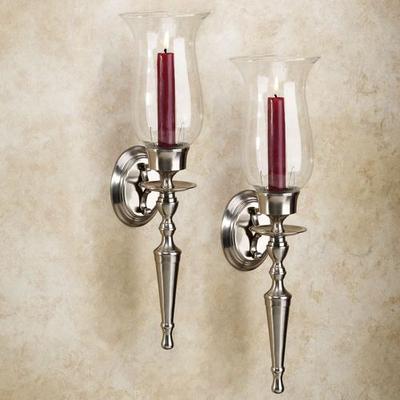
Flythe Consulting Arika Wall Sconce Pair, Pair, Satin NickelThe Arika Wall Sconce Pair is an adaptation of old-fashioned light fixtures, with an appealing design that will complement modern decor. The lacquered solid brass sconces have 4.75 dia.x7 H clear glass hurricanes that will protect your standard...179,00 $*Shipping: 22,95 $Secure redirect to the provider
-
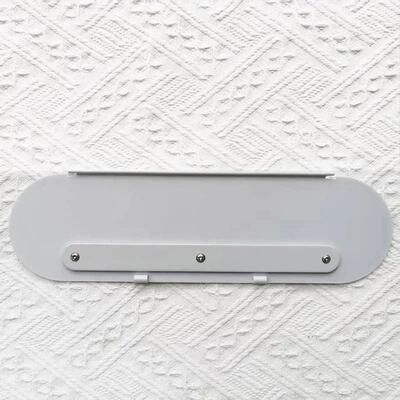
Uplift Essentials Smart Self Cleaning Litter Box Replacement Accessories & Maintenance Parts q clean doorKeep your automated pet care system running at peak performance with our specialized automatic litter box accessories collection. Maintaining a clean and hygienic environment for your cat is essential, and these precision components are designed to...65,97 $*Shipping: 0,00 $Secure redirect to the provider


-
Is there a microphone arm for the Rode PodMic?
Yes, there are several microphone arms that are compatible with the Rode PodMic. Some popular options include the Rode PSA1 Swivel Mount Studio Microphone Boom Arm and the Heil Sound PL-2T Overhead Broadcast Boom. These microphone arms are designed to securely hold the Rode PodMic in place while allowing for easy adjustment and positioning during recording or broadcasting sessions. **
-
Should I use an interface or a mixer for the Podmic?
For the Podmic, it is recommended to use an audio interface rather than a mixer. An audio interface is designed to convert analog audio signals into digital data that can be processed by a computer, providing high-quality sound and low latency. On the other hand, a mixer is more suitable for blending multiple audio sources and controlling their levels, which may not be necessary for a single microphone setup like the Podmic. Additionally, using an audio interface allows for more precise control over the input levels and can provide better overall sound quality for recording or live streaming. **
-
What is the difference between the Rode PodMic and the AT2020?
The Rode PodMic and the AT2020 are both popular microphones, but they have some key differences. The Rode PodMic is a dynamic microphone, which means it is more rugged and better at handling loud sound sources, making it ideal for podcasting and broadcasting. On the other hand, the AT2020 is a condenser microphone, which is more sensitive and captures a wider range of frequencies, making it suitable for recording vocals and instruments in a studio setting. Additionally, the Rode PodMic has a built-in pop filter and a tighter polar pattern, while the AT2020 has a wider frequency response and a more neutral sound. **
-
What is the difference between the Rode PodMic and the Rode Procaster?
The Rode PodMic and the Rode Procaster are both dynamic microphones designed for broadcasting and podcasting. The main difference between the two is their intended use and design. The PodMic is more compact and lightweight, making it ideal for mounting on a boom arm or a microphone stand. On the other hand, the Procaster is larger and heavier, with a built-in pop filter and shock mount, making it better suited for professional studio settings where sound isolation is important. Additionally, the Procaster has a slightly wider frequency response range compared to the PodMic, resulting in a more detailed and nuanced sound capture. **

Do you need a Fetthead for the Rode PodMic on the GoXLR?
No, you do not need a Fetthead for the Rode PodMic when using it with the GoXLR. The GoXLR has built-in preamps that provide sufficient gain for the Rode PodMic, so an additional Fetthead is not necessary. Simply connect the Rode PodMic directly to the GoXLR using an XLR cable and adjust the gain settings on the GoXLR as needed for optimal performance. **
What is the difference between the Rode PodMic and the Rode NT1-A?
The Rode PodMic is a dynamic microphone designed specifically for podcasting and broadcasting, with a tailored frequency response for speech. It is more focused on capturing the human voice and rejecting background noise. On the other hand, the Rode NT1-A is a large-diaphragm condenser microphone known for its versatility and ability to capture a wide range of sounds with high detail and clarity. It is often used for recording vocals, instruments, and other audio sources in a studio setting. The NT1-A requires phantom power to operate, while the PodMic does not. **
Top-Angebote
Products related to Podmic:
-
Everyday Crate 16 In 1 Professional Watch Repair Kit Tool Set For Battery Replacement, Link Adjustment & Maintenance 16 In 1 Professional Watch Repair Kit Tool Set For Battery Replacement, Link Adjustment & MaintenanceKeep your favorite timepieces running smoothly without expensive service visits. This watch repair kit is a versatile 16in1 solution designed for watch enthusiasts, jewelers, repair professionals, and DIY users alike. Whether you're replacing...44,97 $*Shipping: 0,00 $Secure redirect to the provider
-
Flythe Consulting Arika Wall Sconce Pair, Pair, Satin NickelThe Arika Wall Sconce Pair is an adaptation of old-fashioned light fixtures, with an appealing design that will complement modern decor. The lacquered solid brass sconces have 4.75 dia.x7 H clear glass hurricanes that will protect your standard...179,00 $*Shipping: 22,95 $Secure redirect to the provider
-
What is a Rode PodMic?
The Rode PodMic is a dynamic microphone designed for podcasting, broadcasting, and voiceover applications. It features a tailored frequency response to capture clear and rich vocal recordings, with a built-in pop filter to minimize plosives and a tight cardioid polar pattern to reduce background noise. The PodMic is built with a durable all-metal construction and includes an integrated shock mount to minimize vibrations and handling noise. It is compatible with most microphone stands and boom arms, making it a popular choice for content creators and broadcasters. **
-
How can you operate the Podmic without a mixer?
You can operate the Podmic without a mixer by using a USB audio interface or a digital recorder that has a built-in preamp. Simply connect the Podmic directly to the USB audio interface or digital recorder using an XLR cable, and adjust the input gain on the interface or recorder to achieve the desired recording level. This allows you to bypass the need for a separate mixer and still capture high-quality audio from the Podmic. **
-
Is there a microphone arm for the Rode PodMic?
Yes, there are several microphone arms that are compatible with the Rode PodMic. Some popular options include the Rode PSA1 Swivel Mount Studio Microphone Boom Arm and the Heil Sound PL-2T Overhead Broadcast Boom. These microphone arms are designed to securely hold the Rode PodMic in place while allowing for easy adjustment and positioning during recording or broadcasting sessions. **
-
Should I use an interface or a mixer for the Podmic?
For the Podmic, it is recommended to use an audio interface rather than a mixer. An audio interface is designed to convert analog audio signals into digital data that can be processed by a computer, providing high-quality sound and low latency. On the other hand, a mixer is more suitable for blending multiple audio sources and controlling their levels, which may not be necessary for a single microphone setup like the Podmic. Additionally, using an audio interface allows for more precise control over the input levels and can provide better overall sound quality for recording or live streaming. **
Similar search terms for Podmic
-
Uplift Essentials Smart Self Cleaning Litter Box Replacement Accessories & Maintenance Parts q clean doorKeep your automated pet care system running at peak performance with our specialized automatic litter box accessories collection. Maintaining a clean and hygienic environment for your cat is essential, and these precision components are designed to...65,97 $*Shipping: 0,00 $Secure redirect to the provider
-
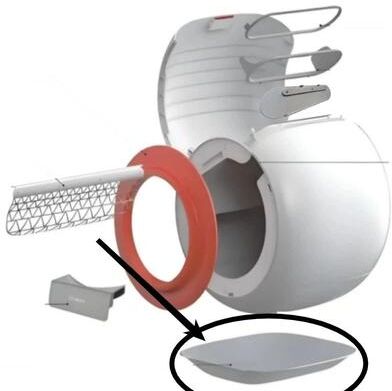
Uplift Essentials Smart Self Cleaning Litter Box Replacement Accessories & Maintenance Parts q clean matKeep your automated pet care system running at peak performance with our specialized automatic litter box accessories collection. Maintaining a clean and hygienic environment for your cat is essential, and these precision components are designed to...86,97 $*Shipping: 0,00 $Secure redirect to the provider
-
What is the difference between the Rode PodMic and the AT2020?
The Rode PodMic and the AT2020 are both popular microphones, but they have some key differences. The Rode PodMic is a dynamic microphone, which means it is more rugged and better at handling loud sound sources, making it ideal for podcasting and broadcasting. On the other hand, the AT2020 is a condenser microphone, which is more sensitive and captures a wider range of frequencies, making it suitable for recording vocals and instruments in a studio setting. Additionally, the Rode PodMic has a built-in pop filter and a tighter polar pattern, while the AT2020 has a wider frequency response and a more neutral sound. **
-
What is the difference between the Rode PodMic and the Rode Procaster?
The Rode PodMic and the Rode Procaster are both dynamic microphones designed for broadcasting and podcasting. The main difference between the two is their intended use and design. The PodMic is more compact and lightweight, making it ideal for mounting on a boom arm or a microphone stand. On the other hand, the Procaster is larger and heavier, with a built-in pop filter and shock mount, making it better suited for professional studio settings where sound isolation is important. Additionally, the Procaster has a slightly wider frequency response range compared to the PodMic, resulting in a more detailed and nuanced sound capture. **
-
Do you need a Fetthead for the Rode PodMic on the GoXLR?
No, you do not need a Fetthead for the Rode PodMic when using it with the GoXLR. The GoXLR has built-in preamps that provide sufficient gain for the Rode PodMic, so an additional Fetthead is not necessary. Simply connect the Rode PodMic directly to the GoXLR using an XLR cable and adjust the gain settings on the GoXLR as needed for optimal performance. **
-
What is the difference between the Rode PodMic and the Rode NT1-A?
The Rode PodMic is a dynamic microphone designed specifically for podcasting and broadcasting, with a tailored frequency response for speech. It is more focused on capturing the human voice and rejecting background noise. On the other hand, the Rode NT1-A is a large-diaphragm condenser microphone known for its versatility and ability to capture a wide range of sounds with high detail and clarity. It is often used for recording vocals, instruments, and other audio sources in a studio setting. The NT1-A requires phantom power to operate, while the PodMic does not. **
* All prices are inclusive of VAT and, if applicable, plus shipping costs. The offer information is based on the details provided by the respective shop and is updated through automated processes. Real-time updates do not occur, so deviations can occur in individual cases. ** Note: Parts of this content were created by AI.