Buy serviceservice.eu ?
We are moving the project
serviceservice.eu .
Are you interested in purchasing the domain
serviceservice.eu ?
domain@kv-gmbh.de · 0541-91531010
Buy serviceservice.eu ?
Does the Monstera plant cry?
No, the Monstera plant does not cry. Plants do not have emotions or the ability to produce tears like humans or animals. The Monstera plant may release water droplets through a process called guttation, but this is a natural physiological process and not a form of crying. **
What distinguishes the Monstera plant?
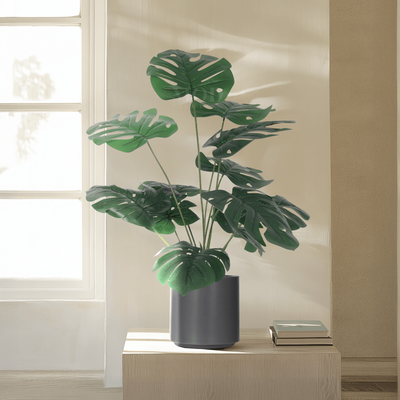
The Monstera plant is distinguished by its large, glossy, heart-shaped leaves that have natural holes and splits, giving it a unique and tropical appearance. This distinctive leaf pattern has earned it the nickname "Swiss cheese plant." Additionally, the Monstera is known for its ability to grow as a climbing vine, making it a popular choice for indoor plant enthusiasts looking to add a touch of greenery to their homes. Its low maintenance and air-purifying qualities also make it a sought-after plant for both beginner and experienced plant owners. **


Similar search terms for Monstera-Large-Artificial-Plant
Top-Angebote
Products related to Monstera-Large-Artificial-Plant:
-
Nearly Natural 20-in Artificial Swiss Monstera Plant - GreenAdd a touch of tropical charm to any space with this artificial swiss monstera plant. Inspired by the beloved houseplant, this monstera features large, glossy leaves with the signature holes and unique shapes that make it so iconic.27,99 $*Shipping: 0,00 $Secure redirect to the provider
-
Glitzhome Artificial Monstera Deliciosa Plant 3.5ft Faux Palm Tree in PotElevate your indoor space with this vibrant, lifelike paradise simulates plants, adding a touch of natural beauty and lush tropical flair. It features multiple trunks adorned with an abundance of fronds, nested in a weighted nursery pot.119,15 $*Shipping: 0,00 $Secure redirect to the provider
-
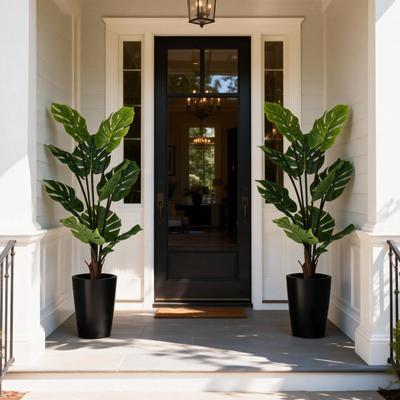
Porch & Den Evergreen 60-inch Artificial Monstera Plant in Black Nursery Pot - Artificial Tropical Indoor TreeBring effortless greenery into your space with this large artificial Monstera plant. Designed with vibrant, realistic leaves and a sculpted trunk, it captures the beauty of tropical style while staying fresh year-round.215,61 $*Shipping: 0,00 $Secure redirect to the provider



-
Is the Monstera plant sick?
Without more information or visual inspection, it is difficult to determine if the Monstera plant is sick. Common signs of a sick Monstera plant include yellowing or browning leaves, wilting, or unusual spots or discoloration on the leaves. It is important to check the plant for signs of pests, overwatering, or underwatering, as these can also cause the plant to appear sick. If you are unsure, it may be best to consult with a plant expert or horticulturist for a proper diagnosis and treatment plan. **
-
Which plant pests can occur on the Monstera plant?
Some common plant pests that can occur on Monstera plants include spider mites, mealybugs, scale insects, and aphids. These pests can cause damage to the leaves by feeding on the plant sap, leading to yellowing, wilting, and stunted growth. Regularly inspecting your Monstera plant for signs of pests and taking prompt action to control them can help keep your plant healthy and thriving. **
-
'Do my Monstera plant have roots?'
To determine if your Monstera plant has roots, gently remove it from its pot and carefully inspect the base of the plant. Look for thick, white, and healthy roots growing from the stem. If you see these roots, then your Monstera plant does have roots. Additionally, you can also check the drainage holes at the bottom of the pot to see if any roots are growing through them. If you find roots, it means that your Monstera plant is healthy and well-established. **
-
How does the Monstera plant root?
Monstera plants root through a process called aerial root formation. These roots grow from the stem of the plant and are able to attach themselves to surfaces such as trees or walls for support. Aerial roots are equipped with special cells that allow them to absorb water and nutrients from the air, helping the plant thrive in its natural tropical habitat. In a home setting, Monstera plants can also be propagated by rooting stem cuttings in water or soil. **

Does the Monstera plant have mold?
Monstera plants are not particularly prone to mold, but they can develop mold if they are overwatered or if there is poor air circulation around the plant. Mold can also develop on the soil surface if it remains consistently damp. To prevent mold on a Monstera plant, it is important to water it only when the top inch of soil is dry, ensure proper drainage, and provide good air circulation around the plant. Regularly inspecting the plant for any signs of mold and addressing any issues promptly can help keep the Monstera plant healthy and mold-free. **
"Should I water my Monstera plant?"
Yes, you should water your Monstera plant, but be sure not to overwater it. Monstera plants prefer slightly moist soil, so water it when the top inch of soil feels dry to the touch. Make sure the pot has good drainage to prevent water from pooling at the bottom. Additionally, misting the leaves can help create a humid environment, which Monstera plants thrive in. **
Top-Angebote
Products related to Monstera-Large-Artificial-Plant:
-
"Monstera Large Artificial Plant - Realistic Silk Leaves, Maintenance-Free Greenery 59"" MOD LIGHTING"Bring bold greenery into your space with the Artificial Monstera, loved for its iconic split leaves and tropical charm. A symbol of vitality and abundance, it adds instant vibrancy and style to any room. With its ultra-realistic design, it stays...499,95 $*Shipping: 0,00 $Secure redirect to the provider
-
Nearly Natural 20-in Artificial Swiss Monstera Plant - GreenAdd a touch of tropical charm to any space with this artificial swiss monstera plant. Inspired by the beloved houseplant, this monstera features large, glossy leaves with the signature holes and unique shapes that make it so iconic.27,99 $*Shipping: 0,00 $Secure redirect to the provider
-
Glitzhome Artificial Monstera Deliciosa Plant 3.5ft Faux Palm Tree in PotElevate your indoor space with this vibrant, lifelike paradise simulates plants, adding a touch of natural beauty and lush tropical flair. It features multiple trunks adorned with an abundance of fronds, nested in a weighted nursery pot.119,15 $*Shipping: 0,00 $Secure redirect to the provider
-
Does the Monstera plant cry?
No, the Monstera plant does not cry. Plants do not have emotions or the ability to produce tears like humans or animals. The Monstera plant may release water droplets through a process called guttation, but this is a natural physiological process and not a form of crying. **
-
What distinguishes the Monstera plant?
The Monstera plant is distinguished by its large, glossy, heart-shaped leaves that have natural holes and splits, giving it a unique and tropical appearance. This distinctive leaf pattern has earned it the nickname "Swiss cheese plant." Additionally, the Monstera is known for its ability to grow as a climbing vine, making it a popular choice for indoor plant enthusiasts looking to add a touch of greenery to their homes. Its low maintenance and air-purifying qualities also make it a sought-after plant for both beginner and experienced plant owners. **
-
Is the Monstera plant sick?
Without more information or visual inspection, it is difficult to determine if the Monstera plant is sick. Common signs of a sick Monstera plant include yellowing or browning leaves, wilting, or unusual spots or discoloration on the leaves. It is important to check the plant for signs of pests, overwatering, or underwatering, as these can also cause the plant to appear sick. If you are unsure, it may be best to consult with a plant expert or horticulturist for a proper diagnosis and treatment plan. **
-
Which plant pests can occur on the Monstera plant?
Some common plant pests that can occur on Monstera plants include spider mites, mealybugs, scale insects, and aphids. These pests can cause damage to the leaves by feeding on the plant sap, leading to yellowing, wilting, and stunted growth. Regularly inspecting your Monstera plant for signs of pests and taking prompt action to control them can help keep your plant healthy and thriving. **
Similar search terms for Monstera-Large-Artificial-Plant
-
Porch & Den Evergreen 60-inch Artificial Monstera Plant in Black Nursery Pot - Artificial Tropical Indoor TreeBring effortless greenery into your space with this large artificial Monstera plant. Designed with vibrant, realistic leaves and a sculpted trunk, it captures the beauty of tropical style while staying fresh year-round.215,61 $*Shipping: 0,00 $Secure redirect to the provider
-
"Monstera Large Artificial Plant - Realistic Silk Leaves, Maintenance-Free Greenery 70 ¾"" MOD LIGHTING"Bring bold greenery into your space with the Artificial Monstera, loved for its iconic split leaves and tropical charm. A symbol of vitality and abundance, it adds instant vibrancy and style to any room. With its ultra-realistic design, it stays...599,95 $*Shipping: 0,00 $Secure redirect to the provider
-
"Monstera Large Artificial Plant - Realistic Silk Leaves, Maintenance-Free Greenery 47 ¼"" MOD LIGHTING"Bring bold greenery into your space with the Artificial Monstera, loved for its iconic split leaves and tropical charm. A symbol of vitality and abundance, it adds instant vibrancy and style to any room. With its ultra-realistic design, it stays...399,95 $*Shipping: 0,00 $Secure redirect to the provider
-
'Do my Monstera plant have roots?'
To determine if your Monstera plant has roots, gently remove it from its pot and carefully inspect the base of the plant. Look for thick, white, and healthy roots growing from the stem. If you see these roots, then your Monstera plant does have roots. Additionally, you can also check the drainage holes at the bottom of the pot to see if any roots are growing through them. If you find roots, it means that your Monstera plant is healthy and well-established. **
-
How does the Monstera plant root?
Monstera plants root through a process called aerial root formation. These roots grow from the stem of the plant and are able to attach themselves to surfaces such as trees or walls for support. Aerial roots are equipped with special cells that allow them to absorb water and nutrients from the air, helping the plant thrive in its natural tropical habitat. In a home setting, Monstera plants can also be propagated by rooting stem cuttings in water or soil. **
-
Does the Monstera plant have mold?
Monstera plants are not particularly prone to mold, but they can develop mold if they are overwatered or if there is poor air circulation around the plant. Mold can also develop on the soil surface if it remains consistently damp. To prevent mold on a Monstera plant, it is important to water it only when the top inch of soil is dry, ensure proper drainage, and provide good air circulation around the plant. Regularly inspecting the plant for any signs of mold and addressing any issues promptly can help keep the Monstera plant healthy and mold-free. **
-
"Should I water my Monstera plant?"
Yes, you should water your Monstera plant, but be sure not to overwater it. Monstera plants prefer slightly moist soil, so water it when the top inch of soil feels dry to the touch. Make sure the pot has good drainage to prevent water from pooling at the bottom. Additionally, misting the leaves can help create a humid environment, which Monstera plants thrive in. **
* All prices are inclusive of VAT and, if applicable, plus shipping costs. The offer information is based on the details provided by the respective shop and is updated through automated processes. Real-time updates do not occur, so deviations can occur in individual cases. ** Note: Parts of this content were created by AI.