Buy serviceservice.eu ?
We are moving the project
serviceservice.eu .
Are you interested in purchasing the domain
serviceservice.eu ?
domain@kv-gmbh.de · 0541-91531010
Buy serviceservice.eu ?
Why are demonstrative pronouns called demonstrative pronouns?
Demonstrative pronouns are called demonstrative because they demonstrate or point to a specific noun or pronoun in a sentence. They help to indicate the position or location of the noun or pronoun in relation to the speaker or listener. By using demonstrative pronouns such as "this," "that," "these," and "those," speakers can make their communication more precise and clear by specifying which person, place, thing, or idea they are referring to. **
What is the difference between demonstrative pronouns and demonstrative determiners in French?
In French, demonstrative pronouns (ce, cette, ces) stand alone to replace a noun, while demonstrative determiners (ce/cet, cette, ces) are used with a noun to indicate which specific thing or person is being referred to. For example, "Ce livre est intéressant" uses the demonstrative determiner "ce" with the noun "livre," while "Celui-ci est intéressant" uses the demonstrative pronoun "celui-ci" to replace the noun "livre." Demonstrative determiners are used before a noun, while demonstrative pronouns are used in place of a noun. **


Similar search terms for Demonstrative
Top-Angebote
Products related to Demonstrative:
-
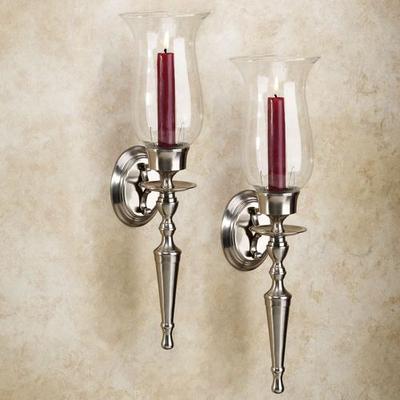
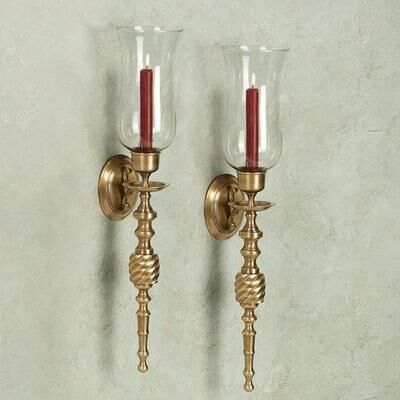
Flythe Consulting Arika Wall Sconce Pair, Pair, Satin NickelThe Arika Wall Sconce Pair is an adaptation of old-fashioned light fixtures, with an appealing design that will complement modern decor. The lacquered solid brass sconces have 4.75 dia.x7 H clear glass hurricanes that will protect your standard...179,00 $*Shipping: 22,95 $Secure redirect to the provider
-
On Spot Shop Montessori Wooden Tool Box Set For Kids, Simulation Maintenance Screw Puzzle Pretend Play Repair Toys Educational Gift Montessori Wooden Tool Box Set For Kids, Simulation Maintenance Screw Puzzle Pretend Play Repair Toys Educational GiftInspire Creativity & Learning Through Play Give your child the perfect blend of fun and education with this Children's Wooden Toolbox Set Toys Simulation Maintenance Tool Repair Toys Montessori Screw Puzzle Kids Pretend Play Toys Gift. Designed to...39,97 $*Shipping: 0,00 $Secure redirect to the provider
-
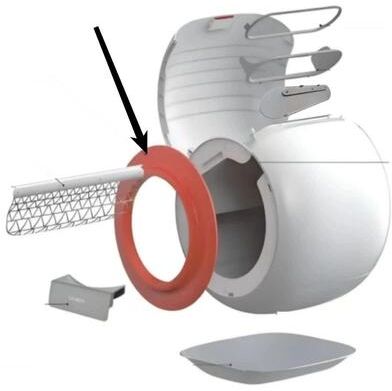
Uplift Essentials Smart Self Cleaning Litter Box Replacement Accessories & Maintenance Parts q clean oKeep your automated pet care system running at peak performance with our specialized automatic litter box accessories collection. Maintaining a clean and hygienic environment for your cat is essential, and these precision components are designed to...69,97 $*Shipping: 0,00 $Secure redirect to the provider

-
What are demonstrative pronouns and relative pronouns?
Demonstrative pronouns are pronouns that are used to point to specific things or people. Examples of demonstrative pronouns include "this," "that," "these," and "those." Relative pronouns are pronouns that introduce dependent clauses and connect them to independent clauses. Examples of relative pronouns include "who," "whom," "whose," "which," and "that." **
-
Does French have the demonstrative determiner "cettes"?
No, French does not have the demonstrative determiner "cettes." The correct forms of the demonstrative determiner in French are "cette" for singular feminine nouns, "ce" for singular masculine nouns, and "ces" for plural nouns regardless of gender. "Cettes" is not a standard form in the French language. **
-
How do I use demonstrative pronouns correctly?
Demonstrative pronouns, such as "this," "that," "these," and "those," are used to point out specific people, places, or things. Use "this" and "these" to refer to something that is nearby or close in time, and use "that" and "those" to refer to something that is farther away or in the past. For example, you can say "This is my book" when referring to a book that is nearby, and "That was a great movie" when referring to a movie that you saw in the past. Make sure to match the demonstrative pronoun with the singular or plural noun it is replacing, and use the appropriate form (this/that or these/those) based on the distance or time. **
-
What is the demonstrative pronoun in French?
The demonstrative pronouns in French are "ce," "cette," "ces," and "cet" for singular and plural forms. These pronouns are used to point out or demonstrate specific people, places, or things. They agree in gender and number with the noun they refer to, and their usage depends on the proximity of the object being referred to. **


How does demonstrative silence manifest itself in lovers?
Demonstrative silence in lovers can manifest itself in various ways. It may occur during moments of deep emotional connection, where words are not needed to express their feelings for each other. It can also be a form of understanding and support, where one partner chooses to remain silent to give the other space to process their thoughts or emotions. In some cases, demonstrative silence can be a way for lovers to communicate without words, using nonverbal cues and gestures to convey their love and affection. **
Is it a demonstrative or personal pronoun in Latin?
In Latin, "hic" is a demonstrative pronoun. Demonstrative pronouns in Latin are used to point out specific things or people, while personal pronouns are used to refer to individuals or groups. "Hic" specifically means "this" or "these" and is used to indicate something close to the speaker. **
Top-Angebote
Products related to Demonstrative:
-
Everyday Crate 16 In 1 Professional Watch Repair Kit Tool Set For Battery Replacement, Link Adjustment & Maintenance 16 In 1 Professional Watch Repair Kit Tool Set For Battery Replacement, Link Adjustment & MaintenanceKeep your favorite timepieces running smoothly without expensive service visits. This watch repair kit is a versatile 16in1 solution designed for watch enthusiasts, jewelers, repair professionals, and DIY users alike. Whether you're replacing...44,97 $*Shipping: 0,00 $Secure redirect to the provider
-
Flythe Consulting Arika Wall Sconce Pair, Pair, Satin NickelThe Arika Wall Sconce Pair is an adaptation of old-fashioned light fixtures, with an appealing design that will complement modern decor. The lacquered solid brass sconces have 4.75 dia.x7 H clear glass hurricanes that will protect your standard...179,00 $*Shipping: 22,95 $Secure redirect to the provider
-
Why are demonstrative pronouns called demonstrative pronouns?
Demonstrative pronouns are called demonstrative because they demonstrate or point to a specific noun or pronoun in a sentence. They help to indicate the position or location of the noun or pronoun in relation to the speaker or listener. By using demonstrative pronouns such as "this," "that," "these," and "those," speakers can make their communication more precise and clear by specifying which person, place, thing, or idea they are referring to. **
-
What is the difference between demonstrative pronouns and demonstrative determiners in French?
In French, demonstrative pronouns (ce, cette, ces) stand alone to replace a noun, while demonstrative determiners (ce/cet, cette, ces) are used with a noun to indicate which specific thing or person is being referred to. For example, "Ce livre est intéressant" uses the demonstrative determiner "ce" with the noun "livre," while "Celui-ci est intéressant" uses the demonstrative pronoun "celui-ci" to replace the noun "livre." Demonstrative determiners are used before a noun, while demonstrative pronouns are used in place of a noun. **
-
What are demonstrative pronouns and relative pronouns?
Demonstrative pronouns are pronouns that are used to point to specific things or people. Examples of demonstrative pronouns include "this," "that," "these," and "those." Relative pronouns are pronouns that introduce dependent clauses and connect them to independent clauses. Examples of relative pronouns include "who," "whom," "whose," "which," and "that." **
-
Does French have the demonstrative determiner "cettes"?
No, French does not have the demonstrative determiner "cettes." The correct forms of the demonstrative determiner in French are "cette" for singular feminine nouns, "ce" for singular masculine nouns, and "ces" for plural nouns regardless of gender. "Cettes" is not a standard form in the French language. **
Similar search terms for Demonstrative
-
On Spot Shop Montessori Wooden Tool Box Set For Kids, Simulation Maintenance Screw Puzzle Pretend Play Repair Toys Educational Gift Montessori Wooden Tool Box Set For Kids, Simulation Maintenance Screw Puzzle Pretend Play Repair Toys Educational GiftInspire Creativity & Learning Through Play Give your child the perfect blend of fun and education with this Children's Wooden Toolbox Set Toys Simulation Maintenance Tool Repair Toys Montessori Screw Puzzle Kids Pretend Play Toys Gift. Designed to...39,97 $*Shipping: 0,00 $Secure redirect to the provider
-
Uplift Essentials Smart Self Cleaning Litter Box Replacement Accessories & Maintenance Parts q clean oKeep your automated pet care system running at peak performance with our specialized automatic litter box accessories collection. Maintaining a clean and hygienic environment for your cat is essential, and these precision components are designed to...69,97 $*Shipping: 0,00 $Secure redirect to the provider
-
How do I use demonstrative pronouns correctly?
Demonstrative pronouns, such as "this," "that," "these," and "those," are used to point out specific people, places, or things. Use "this" and "these" to refer to something that is nearby or close in time, and use "that" and "those" to refer to something that is farther away or in the past. For example, you can say "This is my book" when referring to a book that is nearby, and "That was a great movie" when referring to a movie that you saw in the past. Make sure to match the demonstrative pronoun with the singular or plural noun it is replacing, and use the appropriate form (this/that or these/those) based on the distance or time. **
-
What is the demonstrative pronoun in French?
The demonstrative pronouns in French are "ce," "cette," "ces," and "cet" for singular and plural forms. These pronouns are used to point out or demonstrate specific people, places, or things. They agree in gender and number with the noun they refer to, and their usage depends on the proximity of the object being referred to. **
-
How does demonstrative silence manifest itself in lovers?
Demonstrative silence in lovers can manifest itself in various ways. It may occur during moments of deep emotional connection, where words are not needed to express their feelings for each other. It can also be a form of understanding and support, where one partner chooses to remain silent to give the other space to process their thoughts or emotions. In some cases, demonstrative silence can be a way for lovers to communicate without words, using nonverbal cues and gestures to convey their love and affection. **
-
Is it a demonstrative or personal pronoun in Latin?
In Latin, "hic" is a demonstrative pronoun. Demonstrative pronouns in Latin are used to point out specific things or people, while personal pronouns are used to refer to individuals or groups. "Hic" specifically means "this" or "these" and is used to indicate something close to the speaker. **
* All prices are inclusive of VAT and, if applicable, plus shipping costs. The offer information is based on the details provided by the respective shop and is updated through automated processes. Real-time updates do not occur, so deviations can occur in individual cases. ** Note: Parts of this content were created by AI.