Buy serviceservice.eu ?
We are moving the project
serviceservice.eu .
Are you interested in purchasing the domain
serviceservice.eu ?
domain@kv-gmbh.de · 0541-91531010
Buy serviceservice.eu ?
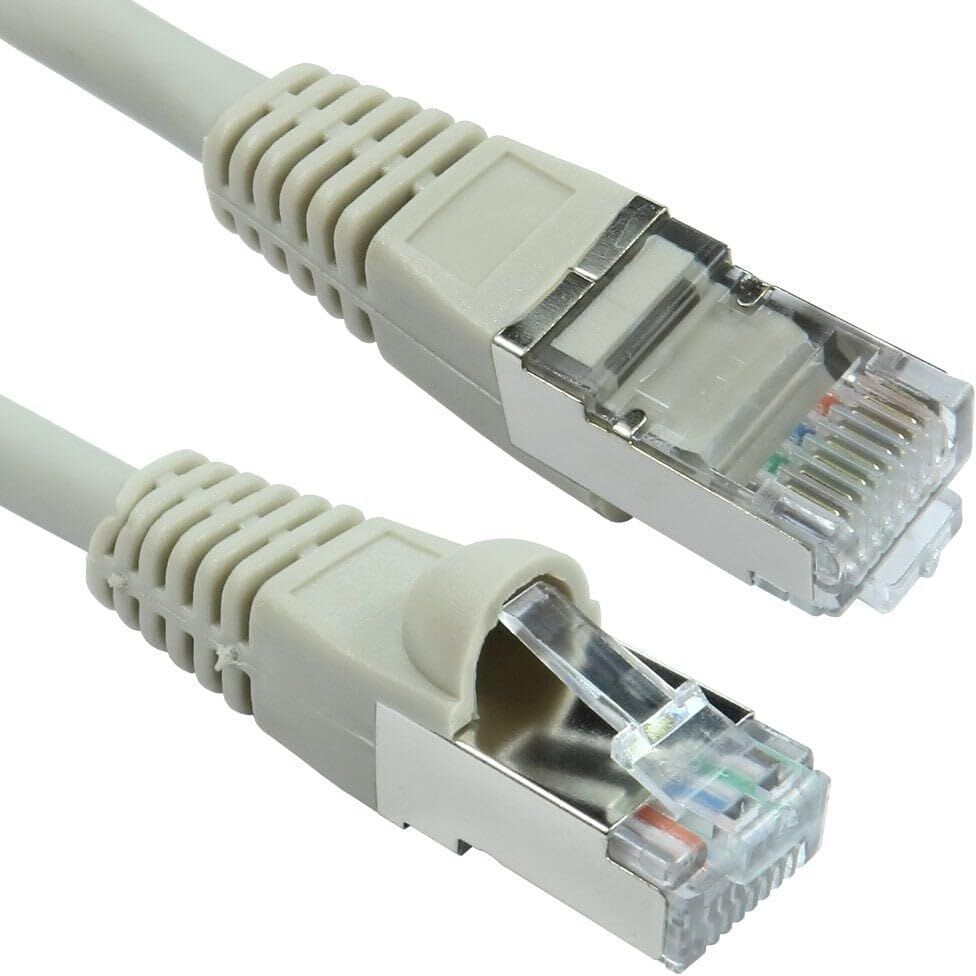
How do I connect installation cables and patch cables?
To connect installation cables and patch cables, first identify the type of cables you are working with (e.g. Ethernet, fiber optic). Then, ensure that the cables are properly terminated with the appropriate connectors. Next, connect the installation cables to the appropriate ports on the network devices (e.g. switches, routers) using the correct connectors. Finally, use patch cables to connect the ports on the network devices to the appropriate patch panels or wall outlets. It's important to follow the correct color-coding and labeling to ensure proper connectivity and organization. **
What is the difference between patch cables and installation cables?
Patch cables are shorter cables used to connect devices within a local area network (LAN), such as connecting a computer to a switch or a router. They are typically used for temporary or short-term connections and are often found in different colors for easy identification. On the other hand, installation cables are longer cables used to create the physical network infrastructure, such as running cables through walls, ceilings, or floors to connect different rooms or buildings. Installation cables are designed for permanent use and are typically installed by professionals to create a reliable and robust network infrastructure. **

Similar search terms for CABLES-DIRECT-Cables-CDL
Top-Angebote
Products related to CABLES-DIRECT-Cables-CDL:
-
Cables Direct CDL 1mtr HDMI High Speed CableCDL 1mtr HDMI High Speed CableMPN NL2HD42-01 Vendor Cables Direct Weight 0.089000 Bi Directional Yes Cable Length 1m Connector 1 HDMI Type A (Standard) Connector 1 Form Factor Straight Connector 1 Gender Male Connector 2 HDMI Type A (Standard) Connector 2 Form Factor Straight Connector 2 Gender Male10,99 £*Shipping: 0,00 £Secure redirect to the provider
-
Cables Direct CDL-DV005 DVI-D Single Link Female to HDMI Male Adapter - BlackCables Direct CDL-DV005 adapter with a DVI-D single-link female socket on one end and an HDMI male plug on the other. Lets you connect a DVI-D cable to an HDMI port on a monitor, TV, laptop or graphics card. Black housing with gold-flashed contacts. Video only — DVI does not carry audio.10,99 £*Shipping: 0,00 £Secure redirect to the provider


-
How do you connect network cables or installation cables to a switch?
To connect network cables or installation cables to a switch, you need to locate the Ethernet ports on the switch. Then, take the network cable and insert it into one of the Ethernet ports on the switch until you hear a click, ensuring it is securely connected. Repeat this process for each cable you need to connect to the switch. Finally, make sure to test the connections to ensure they are working properly. **
-
How do Cat 7 installation cables and Cat 6a patch cables differ?
Cat 7 installation cables and Cat 6a patch cables differ in terms of their performance and application. Cat 7 installation cables are designed for permanent installation in commercial or residential buildings and are capable of supporting higher data transfer speeds and frequencies compared to Cat 6a patch cables. Cat 6a patch cables, on the other hand, are used for shorter, temporary connections within a network and are typically used to connect devices to wall outlets or patch panels. Additionally, Cat 7 installation cables have stricter specifications for crosstalk and system noise, making them more suitable for high-performance networking applications. **
-
What is the difference between copper cables, twisted-pair cables, fiber optic cables, and coaxial cables?
Copper cables are made of copper wire and are commonly used for transmitting electrical signals. Twisted-pair cables consist of pairs of insulated copper wires twisted together, which helps reduce electromagnetic interference. Fiber optic cables use thin strands of glass or plastic to transmit data using light pulses, allowing for high-speed and long-distance transmission. Coaxial cables have a central conductor surrounded by an insulating layer, a conductive shield, and an outer insulating layer, and are commonly used for cable television and internet connections. Each type of cable has its own advantages and is used for different purposes based on their unique characteristics. **
-
Why do RCA cables have two cables?
RCA cables have two cables, one for the left audio channel and one for the right audio channel. This allows for stereo sound to be transmitted from one device to another. By having separate cables for each channel, RCA cables can maintain the integrity of the stereo signal and provide a better audio experience. **


"Use regular cables instead of solar cables?"
Regular cables are typically used for general electrical applications, while solar cables are specifically designed for use in solar power systems. Solar cables are designed to withstand the unique environmental conditions and high temperatures associated with solar installations, making them more suitable for these applications. Using regular cables instead of solar cables in a solar power system may result in reduced efficiency, increased risk of damage, and potential safety hazards. Therefore, it is recommended to use solar cables specifically designed for solar power systems to ensure optimal performance and safety. **
Can I throw old cables like laptop cables, phone cables, and printer cables in the regular household waste?
No, it is not recommended to throw old cables like laptop cables, phone cables, and printer cables in the regular household waste. These cables often contain materials that can be harmful to the environment if not disposed of properly. It is best to recycle these cables at a designated electronic waste recycling facility to ensure that they are disposed of in an environmentally friendly manner. Many communities have specific drop-off locations for electronic waste recycling. **
Top-Angebote
Products related to CABLES-DIRECT-Cables-CDL:
-
Cables Direct CDL 1mtr HDMI High Speed CableCDL 1mtr HDMI High Speed CableMPN NL2HD42-01 Vendor Cables Direct Weight 0.089000 Bi Directional Yes Cable Length 1m Connector 1 HDMI Type A (Standard) Connector 1 Form Factor Straight Connector 1 Gender Male Connector 2 HDMI Type A (Standard) Connector 2 Form Factor Straight Connector 2 Gender Male10,99 £*Shipping: 0,00 £Secure redirect to the provider
-
Cables Direct CDL-DV005 DVI-D Single Link Female to HDMI Male Adapter - BlackCables Direct CDL-DV005 adapter with a DVI-D single-link female socket on one end and an HDMI male plug on the other. Lets you connect a DVI-D cable to an HDMI port on a monitor, TV, laptop or graphics card. Black housing with gold-flashed contacts. Video only — DVI does not carry audio.10,99 £*Shipping: 0,00 £Secure redirect to the provider
-
How do I connect installation cables and patch cables?
To connect installation cables and patch cables, first identify the type of cables you are working with (e.g. Ethernet, fiber optic). Then, ensure that the cables are properly terminated with the appropriate connectors. Next, connect the installation cables to the appropriate ports on the network devices (e.g. switches, routers) using the correct connectors. Finally, use patch cables to connect the ports on the network devices to the appropriate patch panels or wall outlets. It's important to follow the correct color-coding and labeling to ensure proper connectivity and organization. **
-
What is the difference between patch cables and installation cables?
Patch cables are shorter cables used to connect devices within a local area network (LAN), such as connecting a computer to a switch or a router. They are typically used for temporary or short-term connections and are often found in different colors for easy identification. On the other hand, installation cables are longer cables used to create the physical network infrastructure, such as running cables through walls, ceilings, or floors to connect different rooms or buildings. Installation cables are designed for permanent use and are typically installed by professionals to create a reliable and robust network infrastructure. **
-
How do you connect network cables or installation cables to a switch?
To connect network cables or installation cables to a switch, you need to locate the Ethernet ports on the switch. Then, take the network cable and insert it into one of the Ethernet ports on the switch until you hear a click, ensuring it is securely connected. Repeat this process for each cable you need to connect to the switch. Finally, make sure to test the connections to ensure they are working properly. **
-
How do Cat 7 installation cables and Cat 6a patch cables differ?
Cat 7 installation cables and Cat 6a patch cables differ in terms of their performance and application. Cat 7 installation cables are designed for permanent installation in commercial or residential buildings and are capable of supporting higher data transfer speeds and frequencies compared to Cat 6a patch cables. Cat 6a patch cables, on the other hand, are used for shorter, temporary connections within a network and are typically used to connect devices to wall outlets or patch panels. Additionally, Cat 7 installation cables have stricter specifications for crosstalk and system noise, making them more suitable for high-performance networking applications. **
Similar search terms for CABLES-DIRECT-Cables-CDL
-
CABLES DIRECT CMS Cables High Speed HDMI Cable with Ethernet - 2mHigh Speed HDMI cable with Ethernet, 2 metres. HDMI (High-Definition Multimedia Interface) carries digital video and audio over a single cable between devices such as Blu-ray and DVD players, set-top boxes, games consoles, TVs, monitors and projectors.10,99 £*Shipping: 0,00 £Secure redirect to the provider
-
What is the difference between copper cables, twisted-pair cables, fiber optic cables, and coaxial cables?
Copper cables are made of copper wire and are commonly used for transmitting electrical signals. Twisted-pair cables consist of pairs of insulated copper wires twisted together, which helps reduce electromagnetic interference. Fiber optic cables use thin strands of glass or plastic to transmit data using light pulses, allowing for high-speed and long-distance transmission. Coaxial cables have a central conductor surrounded by an insulating layer, a conductive shield, and an outer insulating layer, and are commonly used for cable television and internet connections. Each type of cable has its own advantages and is used for different purposes based on their unique characteristics. **
-
Why do RCA cables have two cables?
RCA cables have two cables, one for the left audio channel and one for the right audio channel. This allows for stereo sound to be transmitted from one device to another. By having separate cables for each channel, RCA cables can maintain the integrity of the stereo signal and provide a better audio experience. **
-
"Use regular cables instead of solar cables?"
Regular cables are typically used for general electrical applications, while solar cables are specifically designed for use in solar power systems. Solar cables are designed to withstand the unique environmental conditions and high temperatures associated with solar installations, making them more suitable for these applications. Using regular cables instead of solar cables in a solar power system may result in reduced efficiency, increased risk of damage, and potential safety hazards. Therefore, it is recommended to use solar cables specifically designed for solar power systems to ensure optimal performance and safety. **
-
Can I throw old cables like laptop cables, phone cables, and printer cables in the regular household waste?
No, it is not recommended to throw old cables like laptop cables, phone cables, and printer cables in the regular household waste. These cables often contain materials that can be harmful to the environment if not disposed of properly. It is best to recycle these cables at a designated electronic waste recycling facility to ensure that they are disposed of in an environmentally friendly manner. Many communities have specific drop-off locations for electronic waste recycling. **
* All prices are inclusive of VAT and, if applicable, plus shipping costs. The offer information is based on the details provided by the respective shop and is updated through automated processes. Real-time updates do not occur, so deviations can occur in individual cases. ** Note: Parts of this content were created by AI.