Buy serviceservice.eu ?
We are moving the project
serviceservice.eu .
Are you interested in purchasing the domain
serviceservice.eu ?
domain@kv-gmbh.de · 0541-91531010
Buy serviceservice.eu ?
How securely is the installation cable attached inside the conduit?
The installation cable is securely attached inside the conduit using cable ties or clamps at regular intervals along the length of the conduit. This ensures that the cable remains in place and does not move around or become loose during installation or while in use. Additionally, the conduit itself provides protection for the cable, further enhancing the security of the installation. Overall, the cable is well-secured inside the conduit to prevent any potential damage or disruptions to the electrical system. **
How securely is the installation cable fixed in the conduit?
The installation cable is securely fixed in the conduit to prevent any movement or damage during installation or use. The conduit provides protection for the cable from external elements such as moisture, dust, and physical impact. Properly securing the cable in the conduit also helps to maintain the integrity of the electrical system and ensures safe and reliable operation. Overall, the secure installation of the cable in the conduit is essential for the longevity and efficiency of the electrical system. **


Similar search terms for Axis-TQ1602-E-Conduit-Back
Top-Angebote
Products related to Axis-TQ1602-E-Conduit-Back:
-
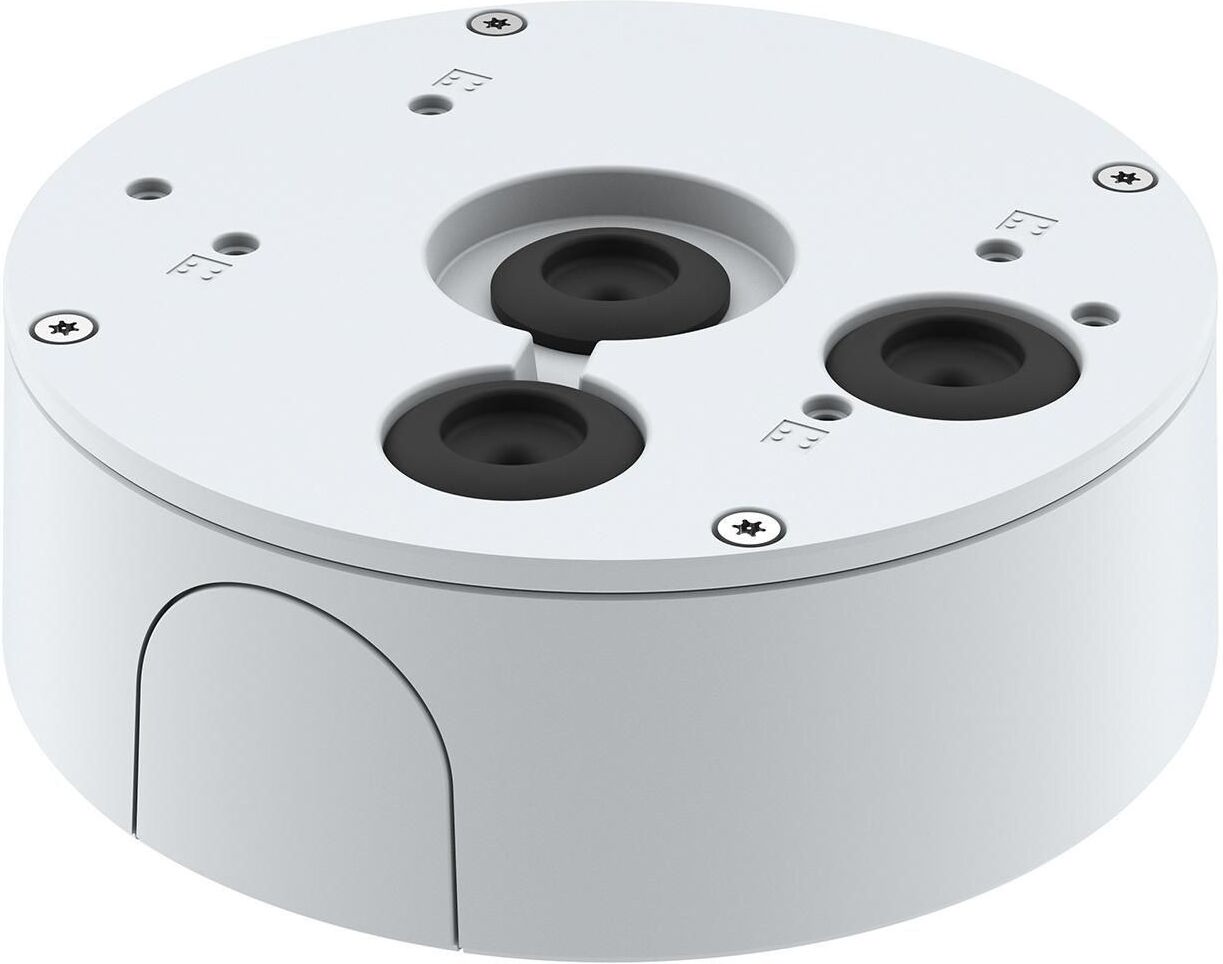
Axis T94B01P Conduit Back Box for M30 Series Dome Cameras, WhiteThe Axis T94B01P Conduit Back Box mounts Axis fixed dome cameras such as the Companion Dome V, M3044-V, M3045-V and M3046-V where cabling runs through 1/2 inch conduit or M20 pipe. It is part of the Axis Conduit Interface (ACI) and has an integrated female UNC thread for standard camera stands. White finish, part 5507-401.49,99 £*Shipping: 0,00 £Secure redirect to the provider
-
Axis T94V01C Dual Camera Mount for Back-to-Back Camera Installation, IK10, WhiteThe Axis T94V01C Dual Camera Mount allows two Axis network cameras (dome, box or bullet) to be installed back to back for panoramic coverage from a single mounting point. It combines with Axis mounting accessories that have a 1.5 inch NPS threaded interface for wall, pole and ceiling installation, is IK10 impact rated and suits indoor and outdoor use. Aluminium and plastic, white, part 01457-001.152,99 £*Shipping: 0,00 £Secure redirect to the provider


-
How do you pull the cable out of the installation conduit?
To pull the cable out of the installation conduit, you will first need to locate the end of the cable within the conduit. Once you have located the end, you can use a cable pulling grip or fish tape to grab onto the cable and carefully pull it out of the conduit. It is important to pull the cable out slowly and steadily to avoid damaging the cable or the conduit. Additionally, make sure to have someone assist you to guide the cable and prevent any snags or tangles as you pull it out. **
-
Which axis, the y-axis or the z-axis?
The y-axis is the vertical axis on a standard Cartesian coordinate system, while the z-axis is the vertical axis in a three-dimensional Cartesian coordinate system. The y-axis is typically used to represent the vertical position or value in a two-dimensional graph, while the z-axis is used to represent the vertical position or value in a three-dimensional graph. Therefore, the choice between the y-axis and the z-axis depends on whether you are working in a two-dimensional or three-dimensional space. **
-
Which protective conduit for underground cables?
One common protective conduit for underground cables is high-density polyethylene (HDPE) conduit. HDPE conduit is durable, flexible, and resistant to corrosion, making it ideal for protecting cables from environmental elements and physical damage. It also provides a smooth surface that reduces friction during cable installation, helping to extend the lifespan of the cables. Additionally, HDPE conduit is available in various sizes to accommodate different cable configurations and is often used in utility, telecommunications, and industrial applications. **
-
How can you seal an empty conduit?
To seal an empty conduit, you can use a variety of methods such as using a conduit cap or plug to cover the opening. Another option is to use a sealant or caulk to fill the conduit opening and create a watertight seal. Additionally, you can use a threaded adapter and a threaded plug to securely close off the conduit. It's important to ensure that the sealing method used is appropriate for the specific type of conduit and the environmental conditions it will be exposed to. **
What are the x-axis and y-axis?
The x-axis is the horizontal line on a graph that represents the independent variable, or the variable that is being manipulated or controlled. The y-axis is the vertical line on a graph that represents the dependent variable, or the variable that is being measured or observed in response to changes in the independent variable. Together, the x-axis and y-axis create a coordinate system that allows for the visualization and analysis of relationships between variables. **
What is the name of the retro bike from Diamond Back Axis Team?
The retro bike from Diamond Back Axis Team is called the "Diamondback Axis Team Retro." This bike is a modern take on the classic Axis Team model, featuring a vintage-inspired design with modern components. It is designed to provide a smooth and comfortable ride while maintaining a nostalgic aesthetic. **
Top-Angebote
Products related to Axis-TQ1602-E-Conduit-Back:
-
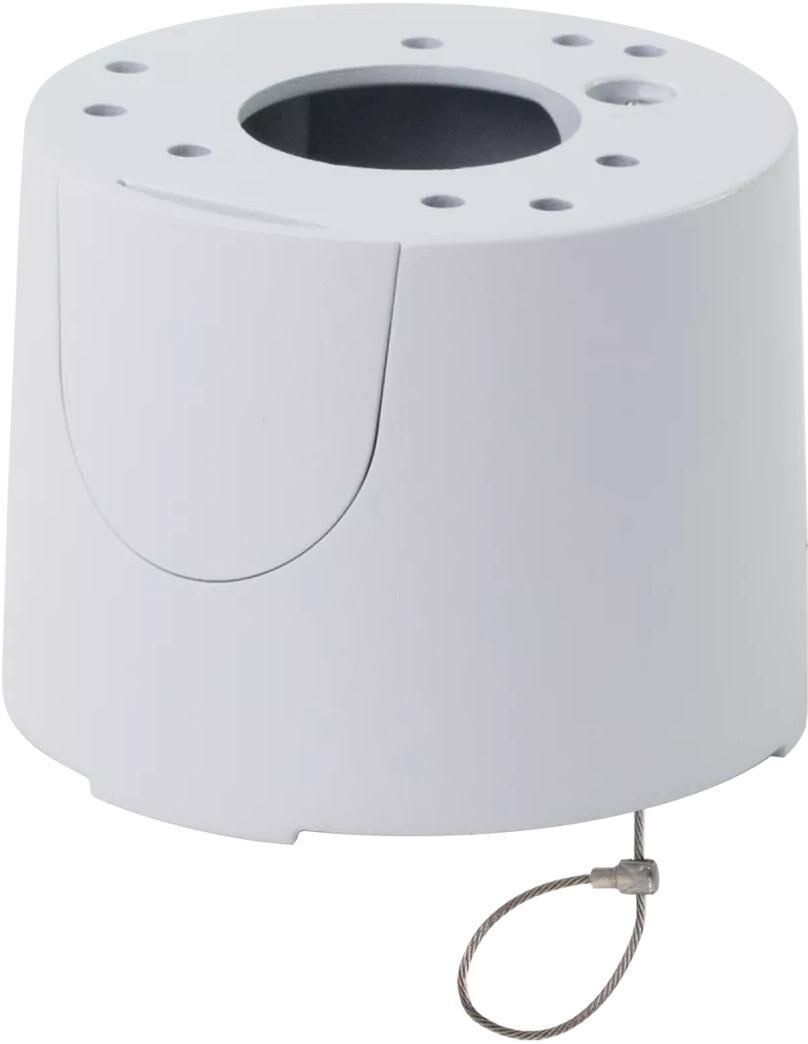
Axis TQ1601-E Conduit Back BoxAxis TQ1601-E conduit back box in aluminium, rated IP66, for mounting Axis cameras on a wall with conduit cable entry. For use with AXIS P13-E and Q16-E series cameras and the T94Q01A, T92E, T93F, T92G20 and T91E61 mounts and housings.89,49 £*Shipping: 0,00 £Secure redirect to the provider
-
Axis T94B01P Conduit Back Box for M30 Series Dome Cameras, WhiteThe Axis T94B01P Conduit Back Box mounts Axis fixed dome cameras such as the Companion Dome V, M3044-V, M3045-V and M3046-V where cabling runs through 1/2 inch conduit or M20 pipe. It is part of the Axis Conduit Interface (ACI) and has an integrated female UNC thread for standard camera stands. White finish, part 5507-401.49,99 £*Shipping: 0,00 £Secure redirect to the provider
-
How securely is the installation cable attached inside the conduit?
The installation cable is securely attached inside the conduit using cable ties or clamps at regular intervals along the length of the conduit. This ensures that the cable remains in place and does not move around or become loose during installation or while in use. Additionally, the conduit itself provides protection for the cable, further enhancing the security of the installation. Overall, the cable is well-secured inside the conduit to prevent any potential damage or disruptions to the electrical system. **
-
How securely is the installation cable fixed in the conduit?
The installation cable is securely fixed in the conduit to prevent any movement or damage during installation or use. The conduit provides protection for the cable from external elements such as moisture, dust, and physical impact. Properly securing the cable in the conduit also helps to maintain the integrity of the electrical system and ensures safe and reliable operation. Overall, the secure installation of the cable in the conduit is essential for the longevity and efficiency of the electrical system. **
-
How do you pull the cable out of the installation conduit?
To pull the cable out of the installation conduit, you will first need to locate the end of the cable within the conduit. Once you have located the end, you can use a cable pulling grip or fish tape to grab onto the cable and carefully pull it out of the conduit. It is important to pull the cable out slowly and steadily to avoid damaging the cable or the conduit. Additionally, make sure to have someone assist you to guide the cable and prevent any snags or tangles as you pull it out. **
-
Which axis, the y-axis or the z-axis?
The y-axis is the vertical axis on a standard Cartesian coordinate system, while the z-axis is the vertical axis in a three-dimensional Cartesian coordinate system. The y-axis is typically used to represent the vertical position or value in a two-dimensional graph, while the z-axis is used to represent the vertical position or value in a three-dimensional graph. Therefore, the choice between the y-axis and the z-axis depends on whether you are working in a two-dimensional or three-dimensional space. **
Similar search terms for Axis-TQ1602-E-Conduit-Back
-
Axis T94V01C Dual Camera Mount for Back-to-Back Camera Installation, IK10, WhiteThe Axis T94V01C Dual Camera Mount allows two Axis network cameras (dome, box or bullet) to be installed back to back for panoramic coverage from a single mounting point. It combines with Axis mounting accessories that have a 1.5 inch NPS threaded interface for wall, pole and ceiling installation, is IK10 impact rated and suits indoor and outdoor use. Aluminium and plastic, white, part 01457-001.152,99 £*Shipping: 0,00 £Secure redirect to the provider
-
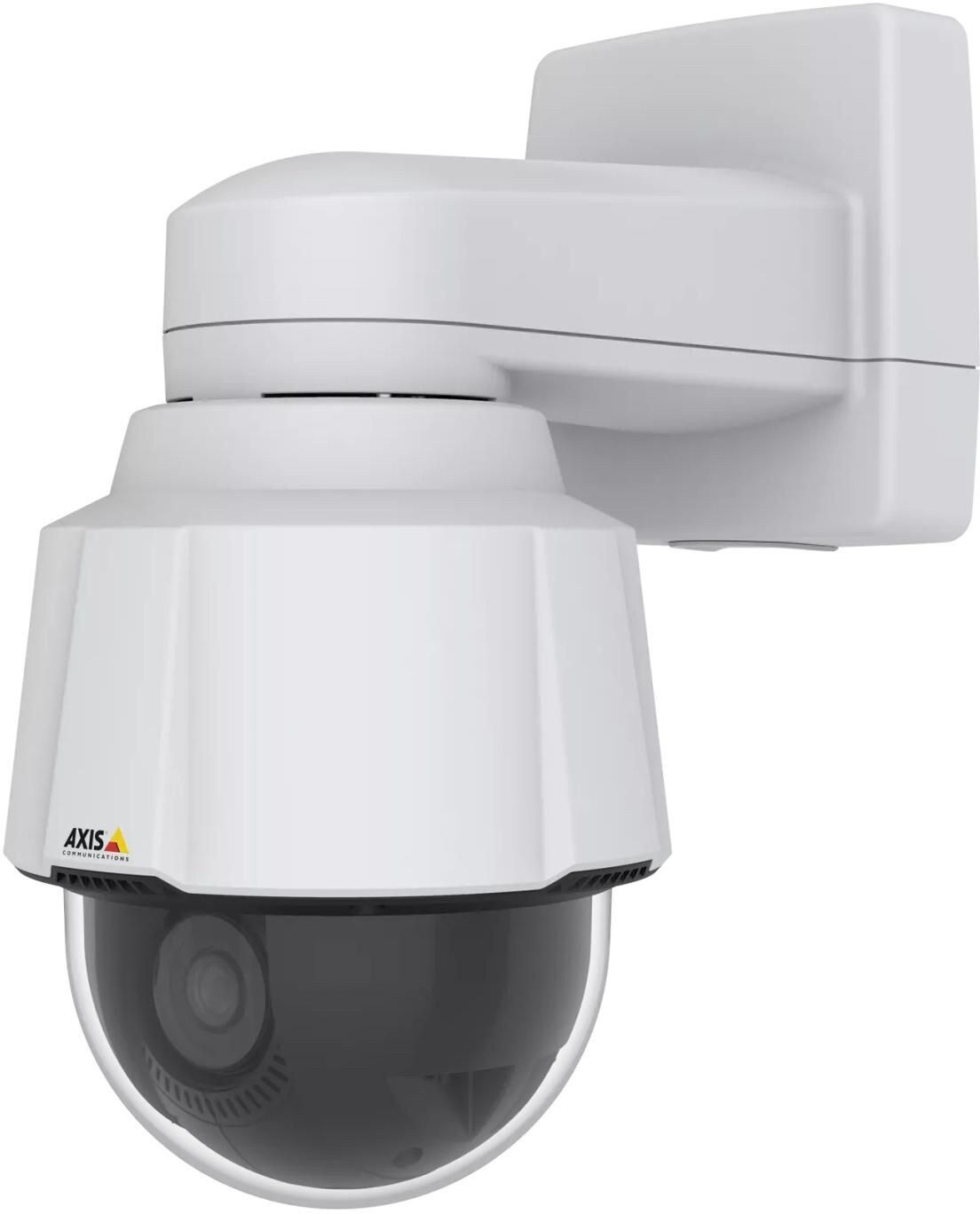
Axis T94A02F Ceiling Bracket for PTZ Cameras (P5624-E, P5635-E, Q37 Series), WhiteThe Axis T94A02F Ceiling Bracket is an aluminium bracket for hard ceilings that lets selected Axis PTZ cameras, including the P5624-E and P5635-E, and the AXIS Q37 Series be fitted with various Axis mounts. It is suitable for indoor and outdoor use and has a 3/4 inch conduit hole on the side. White finish, part 5801-601.87,49 £*Shipping: 0,00 £Secure redirect to the provider
-
Which protective conduit for underground cables?
One common protective conduit for underground cables is high-density polyethylene (HDPE) conduit. HDPE conduit is durable, flexible, and resistant to corrosion, making it ideal for protecting cables from environmental elements and physical damage. It also provides a smooth surface that reduces friction during cable installation, helping to extend the lifespan of the cables. Additionally, HDPE conduit is available in various sizes to accommodate different cable configurations and is often used in utility, telecommunications, and industrial applications. **
-
How can you seal an empty conduit?
To seal an empty conduit, you can use a variety of methods such as using a conduit cap or plug to cover the opening. Another option is to use a sealant or caulk to fill the conduit opening and create a watertight seal. Additionally, you can use a threaded adapter and a threaded plug to securely close off the conduit. It's important to ensure that the sealing method used is appropriate for the specific type of conduit and the environmental conditions it will be exposed to. **
-
What are the x-axis and y-axis?
The x-axis is the horizontal line on a graph that represents the independent variable, or the variable that is being manipulated or controlled. The y-axis is the vertical line on a graph that represents the dependent variable, or the variable that is being measured or observed in response to changes in the independent variable. Together, the x-axis and y-axis create a coordinate system that allows for the visualization and analysis of relationships between variables. **
-
What is the name of the retro bike from Diamond Back Axis Team?
The retro bike from Diamond Back Axis Team is called the "Diamondback Axis Team Retro." This bike is a modern take on the classic Axis Team model, featuring a vintage-inspired design with modern components. It is designed to provide a smooth and comfortable ride while maintaining a nostalgic aesthetic. **
* All prices are inclusive of VAT and, if applicable, plus shipping costs. The offer information is based on the details provided by the respective shop and is updated through automated processes. Real-time updates do not occur, so deviations can occur in individual cases. ** Note: Parts of this content were created by AI.