Buy serviceservice.eu ?
We are moving the project
serviceservice.eu .
Are you interested in purchasing the domain
serviceservice.eu ?
domain@kv-gmbh.de · 0541-91531010
Buy serviceservice.eu ?
How can one make epoxy resin at home?
To make epoxy resin at home, you will need to purchase epoxy resin and hardener from a craft store or online. Follow the instructions on the packaging to mix the resin and hardener together in the correct ratio. Make sure to mix the two components thoroughly to ensure a proper chemical reaction. You can also add color pigments or other additives to customize the resin to your liking. Be sure to work in a well-ventilated area and wear gloves to protect your skin. **
Are there alternative home remedies for epoxy resin?
Yes, there are alternative home remedies for epoxy resin. Some people use a mixture of baking soda and vinegar to create a paste that can be used to fill in small cracks or holes. Others use a mixture of cornstarch and super glue as a quick fix for minor repairs. Additionally, some people use clear nail polish as a temporary solution for small chips or scratches in epoxy resin. However, it's important to note that these alternative remedies may not provide the same strength and durability as epoxy resin, and should be used with caution. **


Similar search terms for Storied-Home-Decorative-Resin
Top-Angebote
Products related to Storied-Home-Decorative-Resin:


-
What is resin resin?
Resin is a sticky, flammable organic substance that is secreted by certain plants and trees. It is often used in varnishes, adhesives, and as a component in some plastics. Resin can also refer to a solid or highly viscous substance that is derived from organic sources and is typically transparent or translucent. **
-
How can one repair a resin figurine?
To repair a resin figurine, you can start by cleaning the broken pieces with a mild soap and water to remove any dirt or debris. Then, use a strong adhesive specifically designed for bonding resin, such as epoxy or cyanoacrylate glue, to carefully reattach the broken pieces. Hold the pieces together firmly until the glue sets, and then allow it to fully cure according to the manufacturer's instructions. Once the repair is complete, you can use fine-grit sandpaper to smooth out any rough edges or excess glue, and then repaint or touch up the figurine as needed. **
-
Which cleaning agent is suitable for resin prints?
Isopropyl alcohol (IPA) is a suitable cleaning agent for resin prints. It is commonly used to remove uncured resin from the surface of the print and to clean the print after it has been cured. IPA is effective in removing excess resin without damaging the print, and it evaporates quickly, leaving the print clean and ready for further processing or finishing. It is important to handle IPA with care and follow safety guidelines when using it for cleaning resin prints. **
-
Can one produce incense resin from larch resin?
Yes, incense resin can be produced from larch resin. Larch trees produce a resin that can be harvested and processed into incense resin. The resin is collected from the tree and then processed to create incense resin, which can be used for its aromatic properties. Larch resin has been used for centuries in traditional medicine and incense making. **

How are decorative items stored?
Decorative items are typically stored in various ways depending on their size, fragility, and material. Smaller decorative items such as figurines or vases are often stored in cabinets, shelves, or display cases to keep them safe and organized. Larger decorative items like sculptures or artwork may be stored in dedicated storage areas such as a closet or attic, or they may be displayed in a prominent location within a room. Fragile decorative items like glassware or ceramics are usually wrapped in protective materials such as bubble wrap or tissue paper before being stored to prevent damage. **
Which decorative plaster is this?
This is Venetian plaster, a type of decorative plaster that originated in Italy. It is known for its smooth, glossy finish that resembles polished marble. Venetian plaster is made from slaked lime and marble dust, giving it a luxurious and elegant appearance. It is often used to create a sophisticated and timeless look in interior design. **
Top-Angebote
Products related to Storied-Home-Decorative-Resin:
-
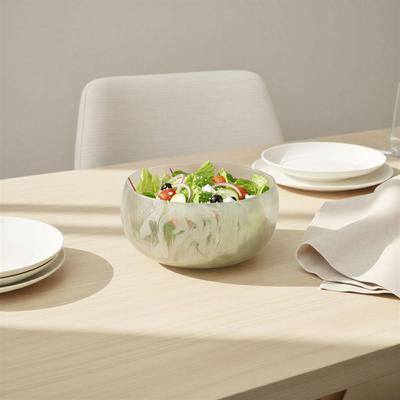
Storied Home Resin PlatterAdd an artful touch and rich earth tones to entertaining moments with this Marbled Resin Platter. Designed with softly blended patterns that resemble swirling stone, each piece brings visual texture and a bespoke feel to the table.72,49 $*Shipping: 0,00 $Secure redirect to the provider
-
How can one make epoxy resin at home?
To make epoxy resin at home, you will need to purchase epoxy resin and hardener from a craft store or online. Follow the instructions on the packaging to mix the resin and hardener together in the correct ratio. Make sure to mix the two components thoroughly to ensure a proper chemical reaction. You can also add color pigments or other additives to customize the resin to your liking. Be sure to work in a well-ventilated area and wear gloves to protect your skin. **
-
Are there alternative home remedies for epoxy resin?
Yes, there are alternative home remedies for epoxy resin. Some people use a mixture of baking soda and vinegar to create a paste that can be used to fill in small cracks or holes. Others use a mixture of cornstarch and super glue as a quick fix for minor repairs. Additionally, some people use clear nail polish as a temporary solution for small chips or scratches in epoxy resin. However, it's important to note that these alternative remedies may not provide the same strength and durability as epoxy resin, and should be used with caution. **
-
What is resin resin?
Resin is a sticky, flammable organic substance that is secreted by certain plants and trees. It is often used in varnishes, adhesives, and as a component in some plastics. Resin can also refer to a solid or highly viscous substance that is derived from organic sources and is typically transparent or translucent. **
-
How can one repair a resin figurine?
To repair a resin figurine, you can start by cleaning the broken pieces with a mild soap and water to remove any dirt or debris. Then, use a strong adhesive specifically designed for bonding resin, such as epoxy or cyanoacrylate glue, to carefully reattach the broken pieces. Hold the pieces together firmly until the glue sets, and then allow it to fully cure according to the manufacturer's instructions. Once the repair is complete, you can use fine-grit sandpaper to smooth out any rough edges or excess glue, and then repaint or touch up the figurine as needed. **
Similar search terms for Storied-Home-Decorative-Resin
-
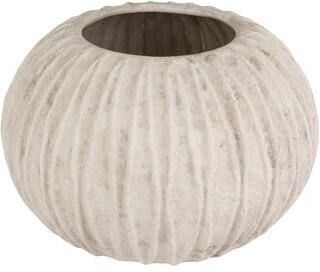
Storied Home "Marbled Resin Decorative Bowl - 11.25""L x 11.25""W x 5.0""H"Add the Round Marbled Cream Resin Decorative Bowl to bring a layer of artistic depth to a room. This uniquely crafted round bowl features a dynamic marbled cream resin finish, with organic patterns that make each piece a one-of-a-kind work of art.108,49 $*Shipping: 0,00 $Secure redirect to the provider
-
Storied Home Resin PlatterAdd an artful touch and rich earth tones to entertaining moments with this Marbled Resin Platter. Designed with softly blended patterns that resemble swirling stone, each piece brings visual texture and a bespoke feel to the table.46,99 $*Shipping: 0,00 $Secure redirect to the provider
-
Which cleaning agent is suitable for resin prints?
Isopropyl alcohol (IPA) is a suitable cleaning agent for resin prints. It is commonly used to remove uncured resin from the surface of the print and to clean the print after it has been cured. IPA is effective in removing excess resin without damaging the print, and it evaporates quickly, leaving the print clean and ready for further processing or finishing. It is important to handle IPA with care and follow safety guidelines when using it for cleaning resin prints. **
-
Can one produce incense resin from larch resin?
Yes, incense resin can be produced from larch resin. Larch trees produce a resin that can be harvested and processed into incense resin. The resin is collected from the tree and then processed to create incense resin, which can be used for its aromatic properties. Larch resin has been used for centuries in traditional medicine and incense making. **
-
How are decorative items stored?
Decorative items are typically stored in various ways depending on their size, fragility, and material. Smaller decorative items such as figurines or vases are often stored in cabinets, shelves, or display cases to keep them safe and organized. Larger decorative items like sculptures or artwork may be stored in dedicated storage areas such as a closet or attic, or they may be displayed in a prominent location within a room. Fragile decorative items like glassware or ceramics are usually wrapped in protective materials such as bubble wrap or tissue paper before being stored to prevent damage. **
-
Which decorative plaster is this?
This is Venetian plaster, a type of decorative plaster that originated in Italy. It is known for its smooth, glossy finish that resembles polished marble. Venetian plaster is made from slaked lime and marble dust, giving it a luxurious and elegant appearance. It is often used to create a sophisticated and timeless look in interior design. **
* All prices are inclusive of VAT and, if applicable, plus shipping costs. The offer information is based on the details provided by the respective shop and is updated through automated processes. Real-time updates do not occur, so deviations can occur in individual cases. ** Note: Parts of this content were created by AI.